Rifyaj Mhrida: A Serif Font for Timeless Design
There’s something about a well-crafted serif font that feels like a warm embrace. When I first opened the Rifyaj Mhrida file, I knew it had the potential to elevate a project from ordinary to extraordinary. It wasn’t just about the curves and strokes—it was the way it carried a sense of history while still feeling fresh and modern.
Working on a branding project for a small, independent café, I needed a typeface that could speak to both tradition and contemporary taste. The client wanted something that felt personal, not too rigid, but still professional. Rifyaj Mhrida fit perfectly in that space. Its elegant serifs and balanced proportions gave the brand a refined edge without being overly formal.
The Visual Character of Rifyaj Mhrida
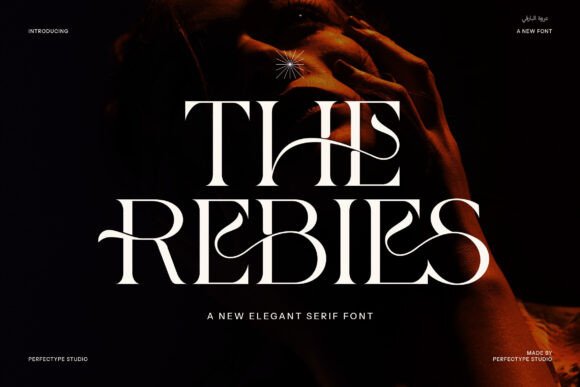
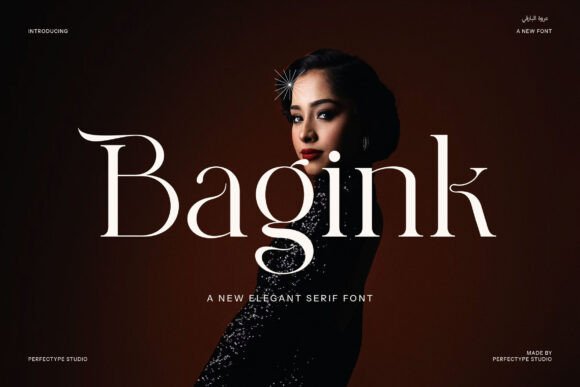
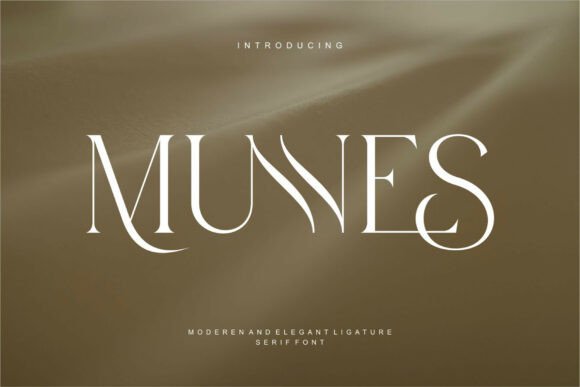
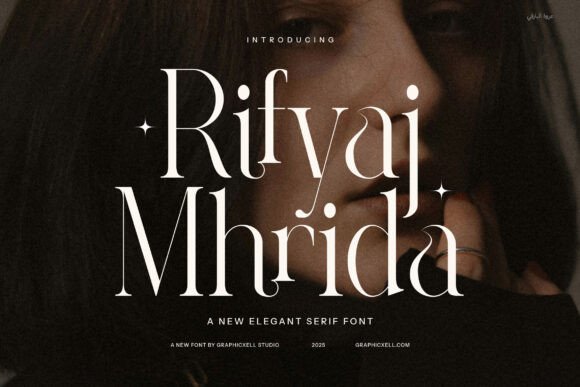
Rifyaj Mhrida has a distinct personality. It’s not the kind of font you’d use for body text, but as a headline or logo font, it shines. The letterforms are clean yet expressive, with subtle variations that add character without overwhelming the design. The x-height is medium, which helps with readability, especially when used in short bursts like headlines or labels.
One of the things I noticed right away was how the font handled different weights. The bold version added a strong visual presence, while the regular weight felt more approachable. This range made it versatile for different parts of the brand system—whether it was the café’s name on a sign or a tagline on a menu.
Real-World Applications
Testing Rifyaj Mhrida on a mockup for the café’s packaging was revealing. On a label sticker, it looked sharp and professional. When paired with a simple sans-serif for the ingredient list, it created a nice contrast without clashing. The font’s elegance made the product feel more premium, even though the café itself was a cozy, neighborhood spot.
I also tried it on a social media graphic for an upcoming event. The font stood out against a minimalist background, drawing attention without needing extra embellishments. It worked well in both dark and light themes, which is a big plus for digital assets.
On a business card, Rifyaj Mhrida added a touch of sophistication. The fine details of the serifs didn’t get lost at small sizes, which is crucial for something people might glance at quickly. It felt like the perfect balance between style and function.
Designing with Rifyaj Mhrida
When using Rifyaj Mhrida in a brand system, it’s important to consider where it will be placed. As a display font, it excels in headlines, logos, and titles. But if you try to stretch it into longer paragraphs, it can become hard to read. That’s why I always recommend using it as an accent or supporting typeface rather than the main body text.
For the café project, I paired Rifyaj Mhrida with a clean, modern sans-serif for the body copy. The combination felt harmonious—Rifyaj Mhrida brought the personality, while the sans-serif kept things legible and easy on the eyes. It’s a classic serif-sans-serif pairing that works well in many design contexts.
If you’re looking for a more creative look, experimenting with script or handwritten fonts alongside Rifyaj Mhrida could also work. Just make sure the styles don’t compete. The goal is to create a cohesive visual language that supports the brand’s message.
Practical Tips for Using Rifyaj Mhrida
Before committing to a font for a full brand system, I always test it in multiple scenarios. Try it on a shop sign, a flyer, a website header, or even a T-shirt design. Seeing how it performs in different formats helps you understand its strengths and limitations.
Another thing to check is the font’s features. Does it include ligatures? Alternate characters? These small details can make a big difference in the overall look. Rifyaj Mhrida seems to have a solid set of options, which is great for designers who want to add unique touches without overcomplicating the design.
Also, consider the licensing. If you’re working on a commercial project, make sure the font allows for that use. Rifyaj Mhrida’s licensing terms should be reviewed to avoid any issues down the line.
Final Thoughts
Rifyaj Mhrida isn’t just another serif font—it’s a tool that can help bring a brand’s identity to life. Whether you’re designing a logo, a packaging concept, or a digital asset, it offers a level of refinement that’s hard to match. Its versatility and elegance make it a valuable addition to any designer’s toolkit.
As I wrapped up the café project, I found myself thinking about how much the font contributed to the overall feel of the brand. It wasn’t just about the letters—it was about the story they told. And that’s what good typography does: it connects the design to the audience in a meaningful way.